Our Work
Our Projects
Our Work
We believe that empowering communities with knowledge, strengthening human rights awareness, and addressing harmful social norms can significantly reduce gender-based violence and create lasting positive change.
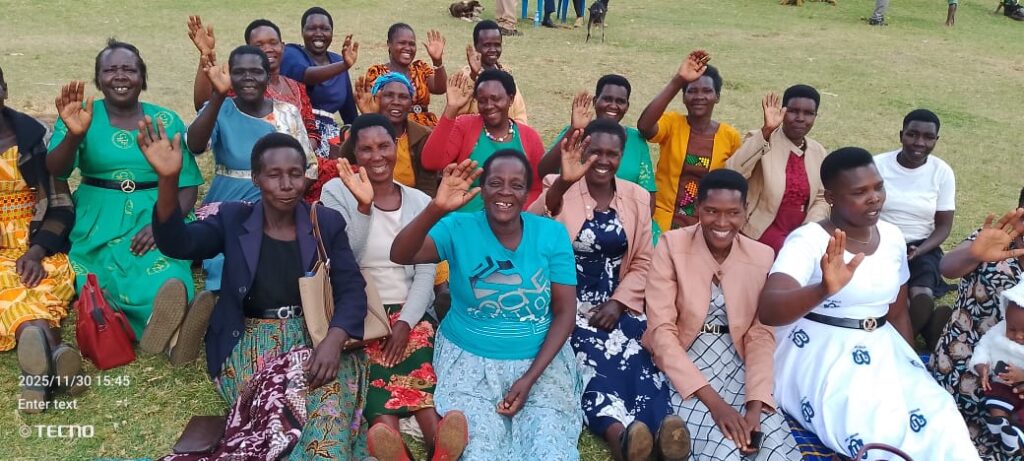
Fight Against Domestic violence
Addressing root causes of GBV is vital for long-term prevention.
We work to change social norms that condone violence and discrimination against women and girls through the following ways:
Community outreaches:
We conduct community outreach campaigns through workshops and radio programs to educate communities about GBV forms, its causes, effects, prevention, response and referral pathways.
Advocacy for human rights: in all the engagements with the communities, we advocate for the respect of human rights for all persons including women and children rights.
Engaging traditional and religious leaders, who hold strong influence in rural communities, is key in shifting deeply rooted beliefs that normalize domestic violence.
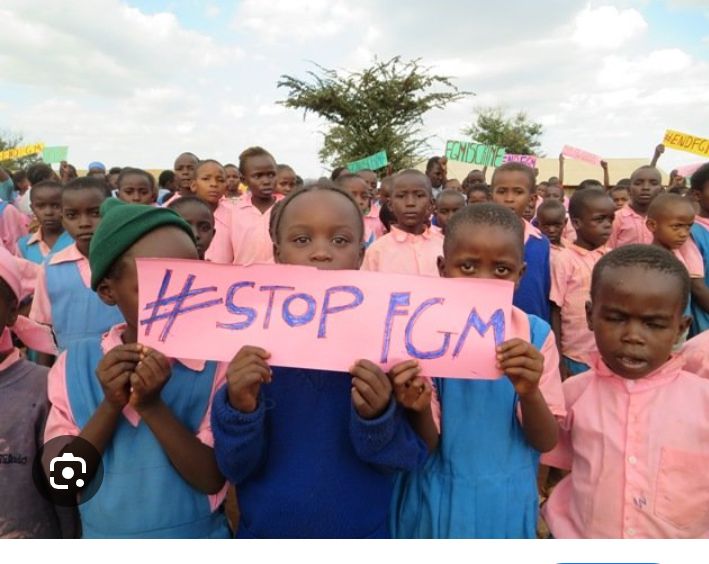
Outreaches to schools to educate students on human rights, children rights, healthy relations aimed at preventing violence before it starts.
Campaigns:
Awareness campaigns done through workshops, community dialogues school visits, and use of media to actively promote messages against GBV.
Male engagement strategy
We engage men and boys in the communities as champions of fight against GBV. This is done by mobilizing and sensitizing boys and men in communities to appreciate their roles in prevention and response to GBV.
Community dialogue channels:
We engage communities in a collective thinking about the harmful social norms and practices that undermine the dignity of women and girls, until they realize the concerns that need to be addressed. The following groups are engaged.
Disabled persons group
Farmers group
Faith based group
Women groups
Youth groups
Health workers
Key drivers of GBV
Patriarchal norms: societal beliefs that males are more superior than women.
Harmful cultural practices such as child /forced marriages and dowry payments that entitle men to abuse women.
Economic dependency of women on men due lack of financial resources; this makes women vulnerable to violence by men.
Land ownership disputes
Excessive alcohol consumption
Harmful social norms.
Gender based violence prevention and response.
We conduct mass sensitization of the communities to increase awareness on the forms, causes, effects, prevention and response to GBV and the referral pathway for the GB survivors to get the support.
We train communities on laws against GBV and raise awareness on human rights, rights of women and children and rights GBV violates.
These trainings are in community meetings, training workshops, school visits, and radio programs and open campaigns at trading centres and sports grounds.
We also disseminate information, education and communication (IEC) materials on existing laws, policies and guidelines relating to GBV.
We train community-based personnel in counselling GBV survivors with the help of social workers.
GBV RESPONSE
Referral for medical services
Where necessary, we refer survivors to health centers.
Provision of psychosocial support to the GBV survivors.
We Provide psychosocial support to survivors including those living in hard-to-reach areas and those with disabilities.
Provide psychosocial support to perpetrators of GBV.
We provide legal counselling to the GBV survivors.
We refer some survivors to ActionAid GBV for temporal shelter.
We Partner with police to investigate and apprehend and deliver for prosecution perpetrators of GBV.
We advocate for regular provision of essential GBV specific services (PEP kit and family planning) in all government and private medical facilities.
Violence against children;
we sensitize communities through:
- Parenting workshops
- Child rights advocacy in communities and schools
- Over the radios.
Legal and human rights education:
We educate communities on law of domestic violence, prohibition of torture, prevention of human trafficking, prohibition of female genital mutilation, marriage law and land law. We also educate communities on human rights, women and children, while enhancing coordination with the law enforcement to report and respond to cases.
The legal and human rights training is through:
- workshops
- school visits
- media programs to include radio programs and social media.
Sexual reproductive health
SRH includes the physical, mental, and social well- being in all matters related to the reproductive system. Sexuality education programs in schools teach students about
consent to sex, respectful relationships, and legal rights regarding GBV.
When women and girls are trained on SRHR, they will choose what happens to their bodies, when to have sex, when to give birth and child spacing. This empowerment enables the girls to remain at school and the women get employed and engage economic activities that enhance their independence.
Voice of Peace partners with the health personnel at the health centres at the district to educate women and girls on their reproductive health as well as donating reusable sanitary towels especially in the remote and hard to reach areas.
Economic empowerment of women and girls.
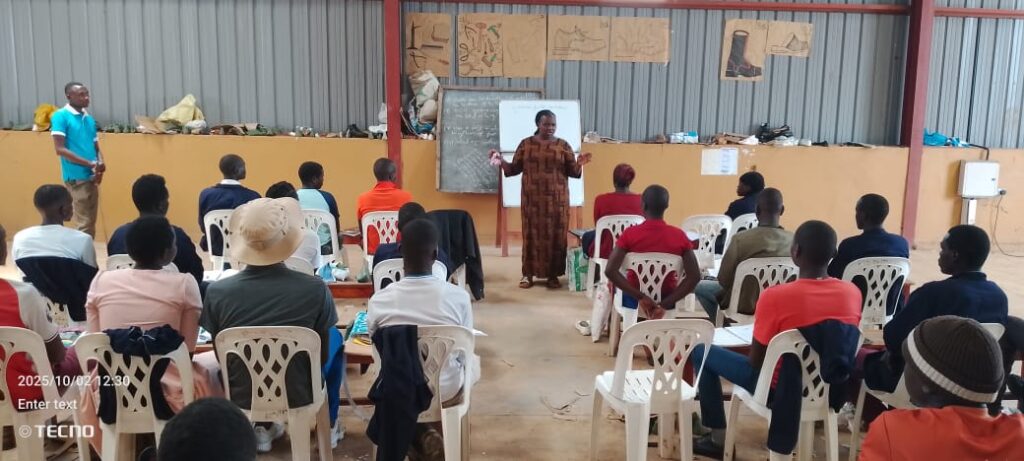
Through sensitization on financial literacy.
Training and registration of village savings and loans associations (VSLAs).
When women are economically empowered, they will break the dependency syndrome which escalates GBV. women and girls are greats agents of change and development, achieving gender equality involves economic empowerment of women in areas of skills among others.
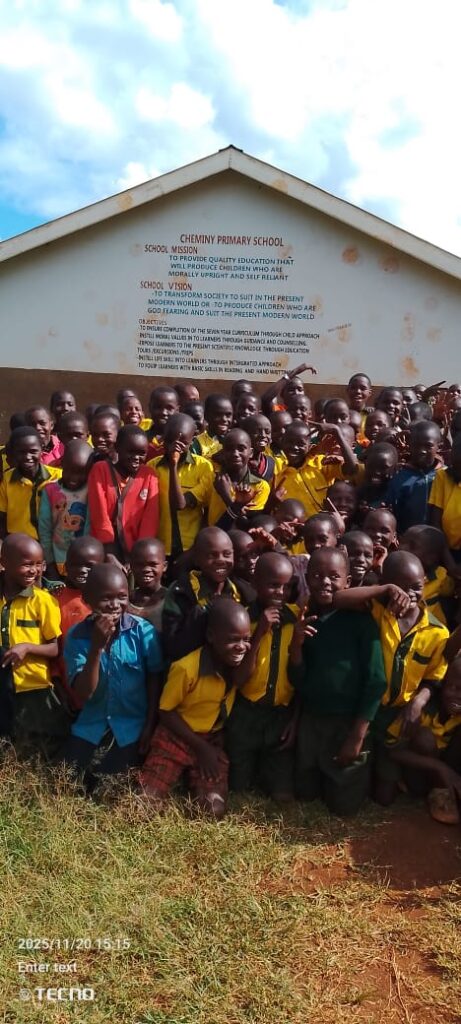
Fighting Child marriages & Teenage Pregnancies
At Voice of Peace, we work to end child marriage by addressing its root causes and protecting girls through prevention, and encouraging
them to remain at school. We sensitize parents and children about the harmful effects of child marriages; through school visits, we work with religious, community leaders and families as we change mindsets and protect the girls.
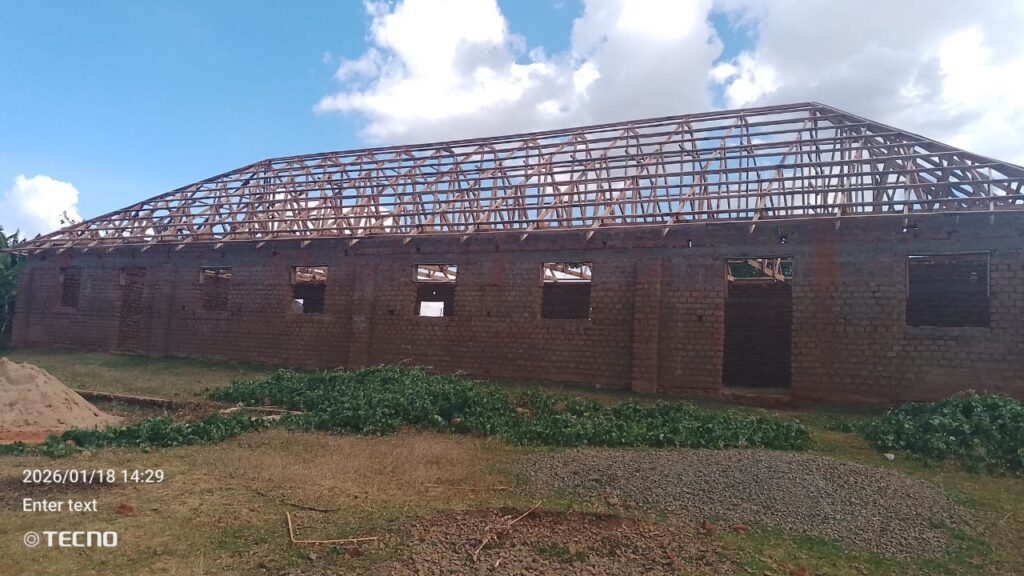
Supporting Community Projects.
We are supporting the construction of Kamwam Church in Kween District, Uganda. This project aims to provide a place of worship and strengthen the community by creating a space for fellowship, spiritual growth, and service. We welcome prayers, support, and contributions toward the successful completion of this important work.